

Residential development is a long-term undertaking. Buildings shape neighbourhoods for decades, influencing how people use resources, interact with one another and experience their surroundings. As India’s cities continue to grow, developers face an important question: how can new housing meet present-day requirements while remaining practical, responsible and relevant in the years ahead?
The answer begins with planning. Decisions made before construction, including building orientation, landscape design, water management and the arrangement of shared spaces, can influence a project’s long-term performance. Sustainability is most effective when it is considered as part of the development process rather than introduced as an isolated feature after the broader design has been established.
Water conservation is one important area. Rainwater harvesting, efficient plumbing systems, responsible landscaping and measures to reduce wastage can support more considered water use. Similarly, energy-efficient lighting, ventilation and building design can help manage consumption.
Green spaces also have a role beyond visual appeal. Landscaped areas and shaded pathways can offer residents places to relax, walk and spend time outdoors. Their planning should account for accessibility, appropriate planting and ongoing maintenance.
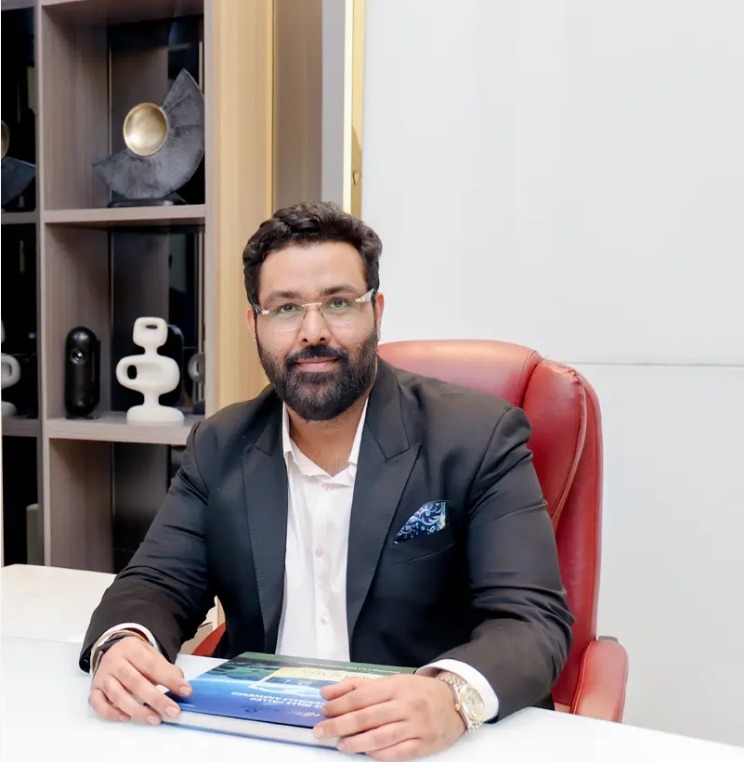
“Sustainability should be part of how a residential project is conceived, designed and managed. Buildings remain in use for decades, so decisions around water, energy, landscaping and shared facilities need to consider their long-term impact. Our responsibility is to create spaces that meet residents’ needs today while remaining practical and relevant as those needs change,” says Karan Gulati, Chairman & Managing Director, Satyam Developers.
A long-term approach also requires developers to look at the relationship between private homes and shared environments. A residential community is made up of people with different routines, ages and priorities. Thoughtfully designed common areas can provide opportunities for interaction without compromising privacy. Seating areas, gardens, recreational facilities and safe pedestrian routes can help residents use shared spaces in ways that suit them.
Facilities need to be accessible and easy to navigate, while circulation areas should support residents’ everyday movement. Developers need to consider how children, older people and people with varying mobility requirements will experience the same environment. Inclusive planning can make shared spaces more useful to a wider range of residents.
Across Navi Mumbai, areas including Kharghar, Upper Kharghar, Ulwe, Sanpada, Kalamboli and Taloja are part of the region’s expanding residential landscape. As communities develop, homebuyers are likely to consider not only the apartment they purchase but also the quality of the project’s common spaces, its approach to resource management and the convenience of daily living.
Building systems that help monitor resource use or improve operational efficiency can be useful when they are reliable, appropriate to the project and manageable over time. Technology should complement good design rather than substitute for it.
Another important consideration is the period after possession. The long-term value of shared amenities and landscaped areas depends partly on upkeep, operational planning and responsible use. A feature that is difficult to maintain may not deliver the intended benefit in the long run.
The future of residential development will depend on bringing these considerations together carefully over time. Sustainability, wellness, architecture, technology and community spaces should reinforce one another instead of being treated as separate selling points. This requires developers to assess not only what a project offers at launch but also how it is likely to function throughout its life.
As buyer expectations continue to evolve, the measure of a well-planned home will increasingly include the environment surrounding it. By combining functional design with responsible resource use and useful shared spaces, developers can contribute to residential communities built to endure over time.